So you know how when your phone shuts down unexpectedly you're like "wtf just happened to my unsaved work"?
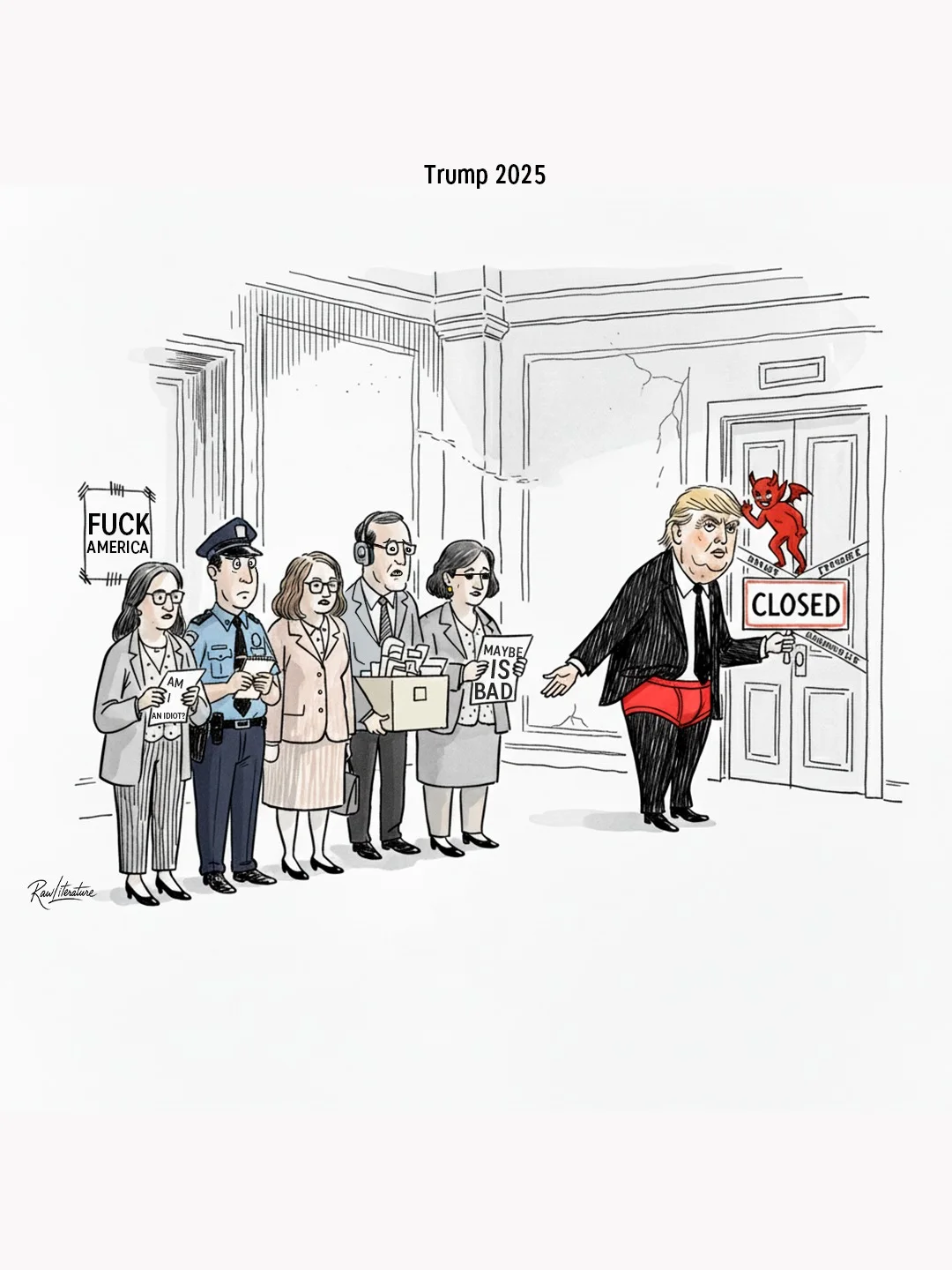
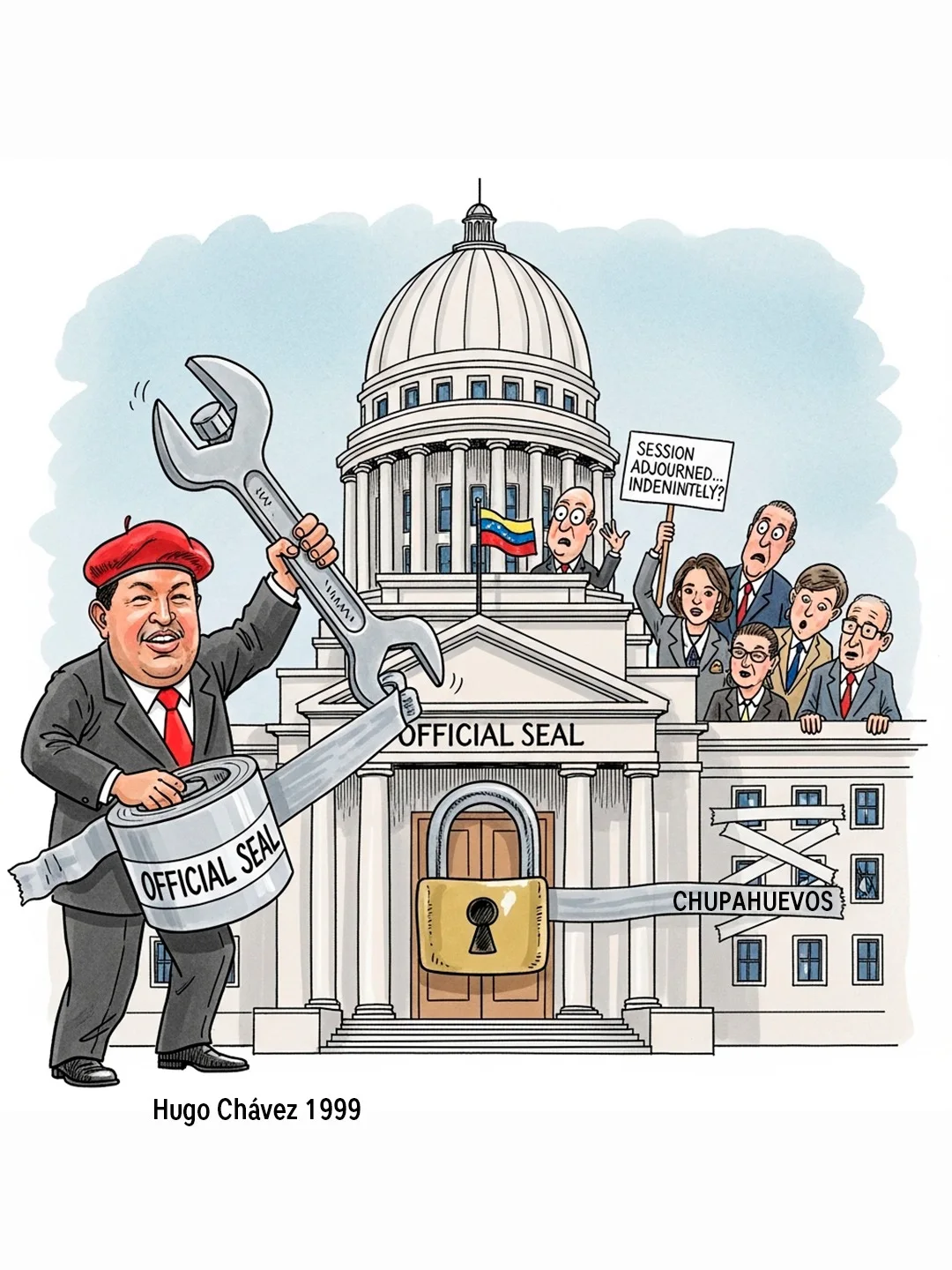
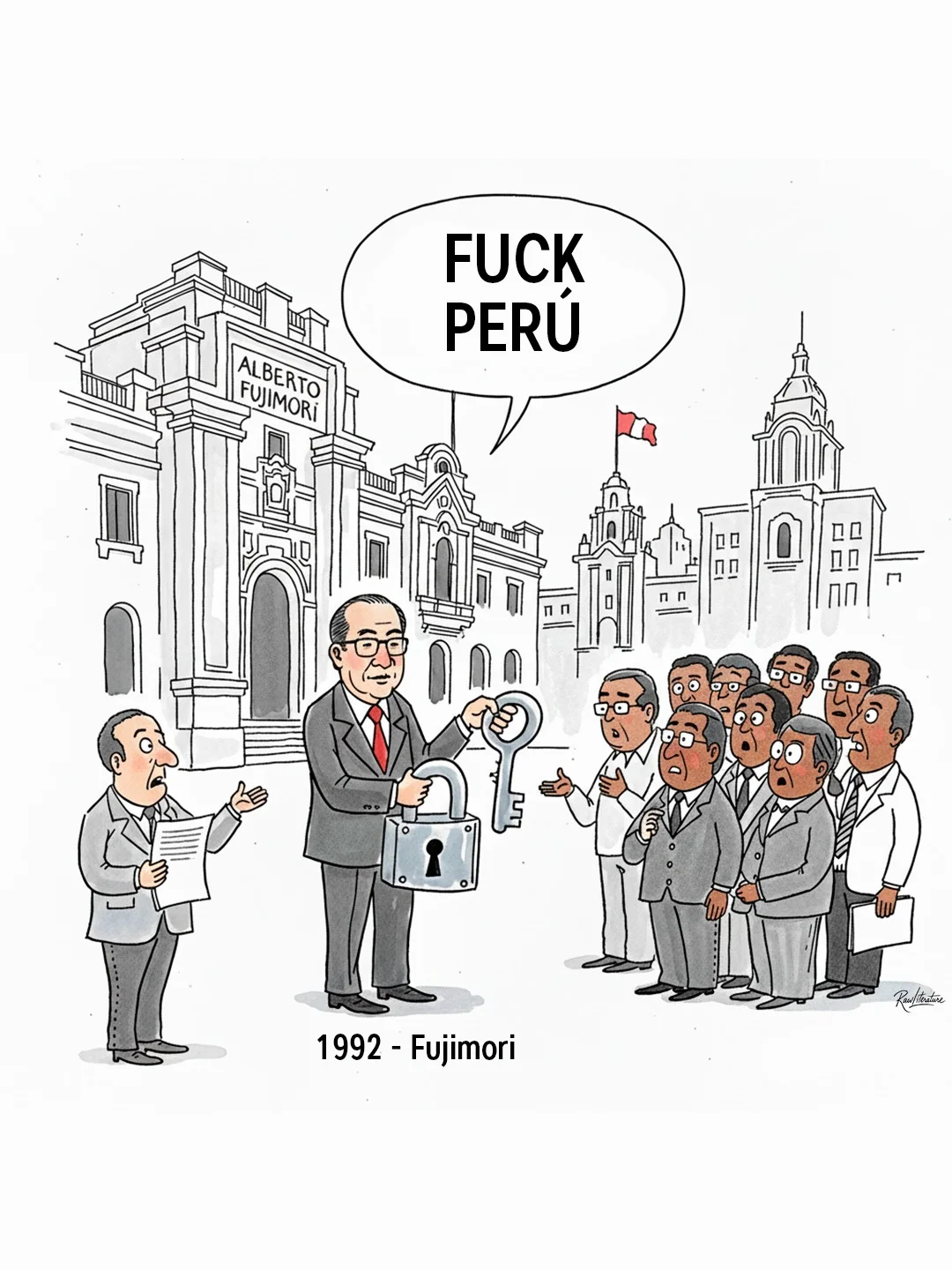
- So you know how when your phone shuts down unexpectedly you're like "wtf just happened to my unsaved work"? Yeah, so governments can do that too. Except way worse. Let me introduce you to some people who really said "you know what? Democracy is too much work today." ALBERTO FUJIMORI (Peru, 1992) Fujimori walked into office and decided Congress and the judiciary were obstacles to his vision of "efficiency." So he just... dissolved them both. Called it an "autogolpe"—a self-coup. The message was clear: democratic institutions are optional when you're convinced you know better than everyone else. FERDINAND MARCOS (Philippines, 1972) Marcos declared martial law and shut down Congress indefinitely. For years, he ruled by decree alone—no debate, no opposition, no checks on power. What started as "temporary emergency measures" became a two-decade authoritarian regime. Turns out, people who shut down oversight rarely volunteer to bring it back. HUGO CHÁVEZ (Venezuela, 1999) Chávez dissolved both the National Congress and the Supreme Court to "rewrite the constitution." Whatever your politics, there's something deeply troubling about one person deciding which democratic institutions get to exist. The pattern? Concentrate power, eliminate opposition, claim it's for the people. DONALD TRUMP (USA, 2025) And here we are. A government shutdown happening right now, in real time. Different context, different country, different system, but when you're appearing on the same list as these leaders, it's worth asking some hard questions about where this road leads. Here's the thing about shutdowns: They don't happen in a vacuum. They're about power, control, and what happens when democratic norms become negotiable. History shows us that once you normalize shutting down government functions to get your way, it gets easier to do it again. And again. This isn't about left or right. It's about recognizing patterns and understanding that democratic institutions—messy as they are—exist for a reason. Pay attention. Stay informed. This matters more than you think.